



About
In this Ebook, you’ll gain a comprehensive understanding of the 360-degree performance review process and its significance in employee development and growth.
You’ll learn how to design and implement a successful 360-degree review process, including setting objectives, selecting raters and stakeholders, determining review frequency, developing questions and rating scales, and choosing the right feedback tool or software. We’ll also discuss legal compliance and ethical considerations to ensure a smooth and fair process.
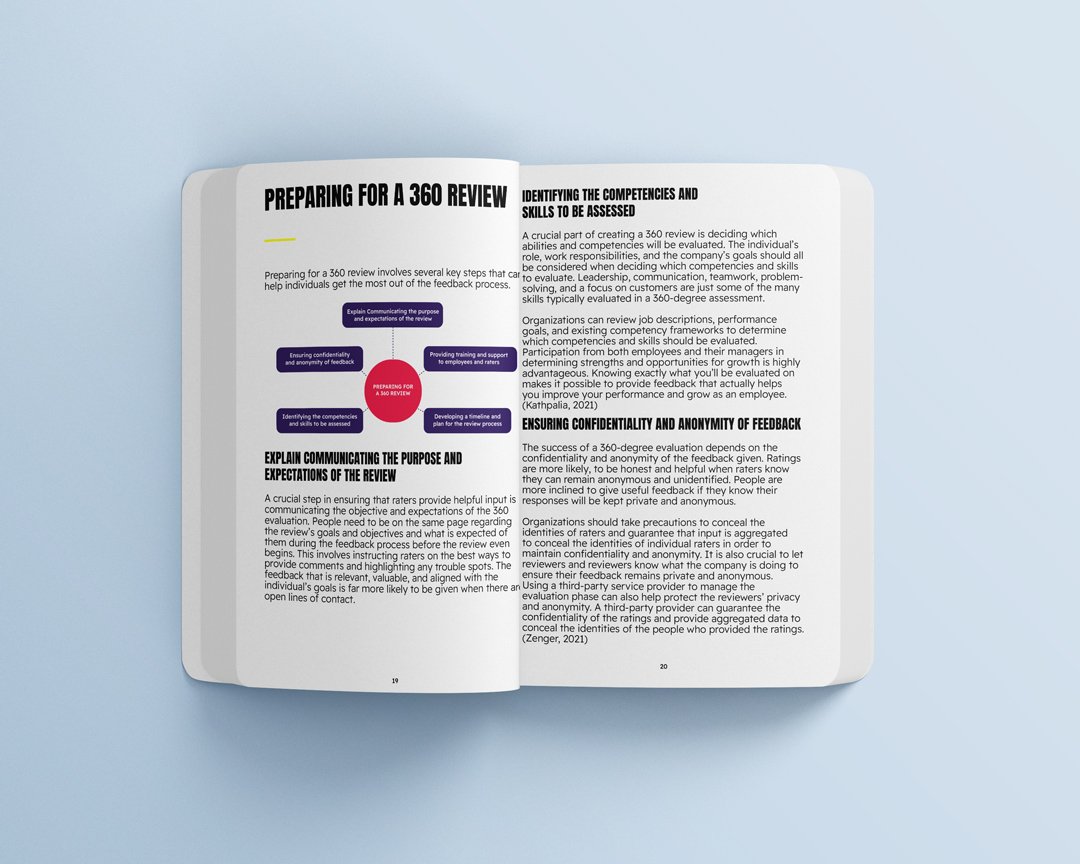
Discover how to prepare for a 360-degree review by communicating its purpose and expectations, identifying competencies and skills to be assessed, maintaining confidentiality and anonymity, and offering training and support to employees and raters. You’ll also develop a timeline and plan for the review process.
.quotes-tabs-inner
.quotes-tabs-col
.quotes-tabs-col.active-quotes-tab
.quotes-inner-col
.quotes-inner-col p
.quotes-inner-row
.quotes-inner-col.active-quotes-col
.outer-quotes
Frontrunner in delivering top-tier digital business resources
Has been making waves with its flagship product
Shaping the future of digital business learning
Valuable resource in the ever-evolving world of business education
‘…frontrunner in delivering top-tier digital business resources…’
‘…has been making waves with its flagship product…’
‘…consistent emphasis on simplifying complex business topics…’
‘…shaping the future of digital business learning…’
‘…valuable resource in the ever-evolving world of business education…’
Table of contents
What is a 360-degree performance review?
Benefits of using 360-degree feedback
Differences between traditional performance reviews and 360 reviews
Types of organizations that can benefit from 360 reviews
Designing a 360 Review Process
Objectives and scope of the review
Selecting raters and stakeholders
Determining the frequency of reviews
Developing review questions and rating scales
Choosing a 360 feedback tool or software
Ensuring legal compliance and ethical considerations
Preparing for a 360 Review
Communicating the purpose and expectations of the review
Identifying the competencies and skills to be assessed
Ensuring confidentiality and anonymity of feedback
Providing training and support to employees and raters
Developing a timeline and plan for the review process
Conducting a 360 Review
Collecting feedback from various sources, including peers, subordinates, supervisors, and self-assessment
Analyzing and interpreting feedback data
Preparing for the feedback session
Ensuring fairness and consistency in the review process
Giving Feedback
Communicating feedback effectively and constructively
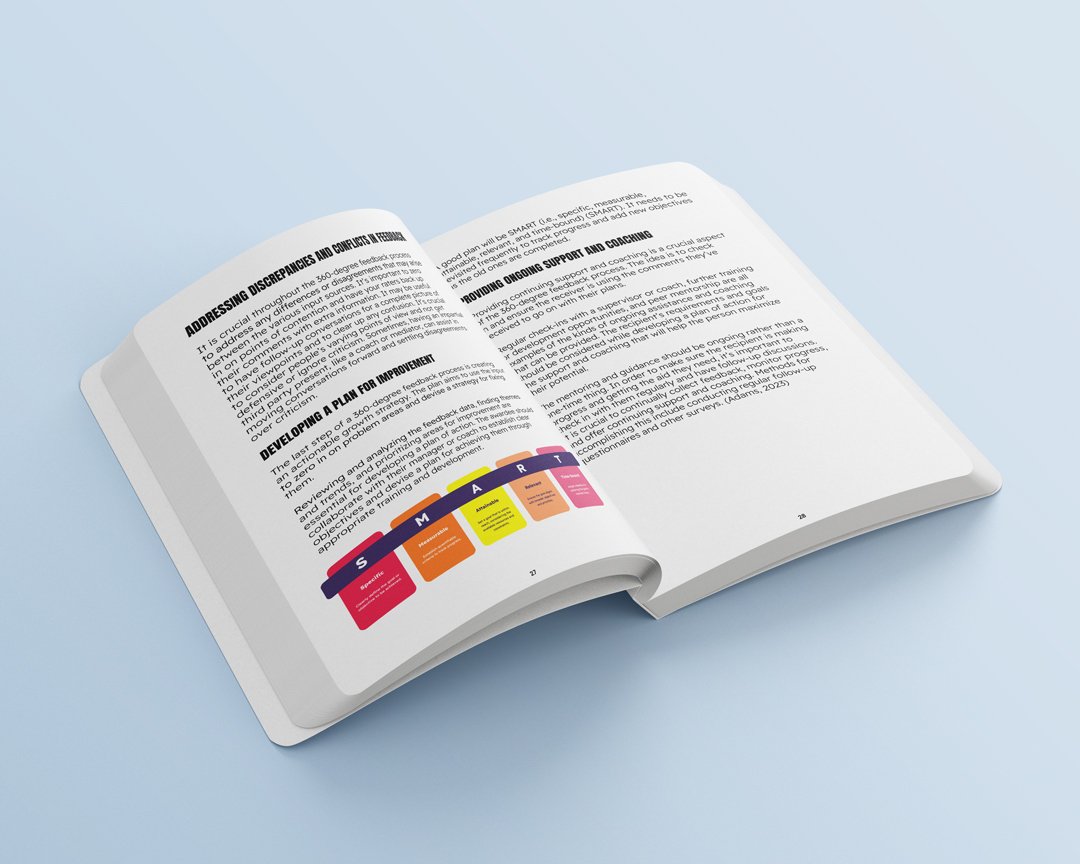
Addressing discrepancies and conflicts in feedback
Developing a plan for improvement
Providing ongoing support and coaching
Implementing Change
Setting goals and action plans based on feedback
Supporting employee development and growth
Monitoring and evaluating progress
Measuring the impact and effectiveness of the review process
Common Challenges and Solutions
Addressing potential biases and limitations in 360 reviews
Managing resistance and negative reactions to feedback
Ensuring the sustainability and effectiveness of the review process
Dealing with sensitive issues, such as harassment or discrimination
Addressing cultural and language barriers in multinational organizations
Best Practices and Case Studies
Examples of successful 360 review processes in different industries and organizations
Best practices for implementing and sustaining a 360 review process
Lessons learned and tips for avoiding common pitfalls
Key takeaways and next steps for implementing a successful 360 review process
The future of 360-degree performance reviews and their role in the evolving workplace.
Conclusion




Reviews
Clear filtersThere are no reviews yet.