




About
Step up your game with Soft Skills Explained, an easy-to-understand guide to improving your people skills. This eBook shows you the power of soft skills, with practical tips to help you talk, listen, solve problems, lead, and adapt.
Learn why soft skills matter for your personal and work life. Boost your spoken and body language skills, and get better at using kind words and helpful feedback. Understand body language and how it adds meaning to your communication.
Dive into essential skills that help us connect and work better with others. Understand active listening, emotional intelligence, and problem-solving skills. You will also master practical techniques like SOLER for listening, emotional management for improved relationships, and SWOT analysis for tackling challenges.
.quotes-tabs-inner
.quotes-tabs-col
.quotes-tabs-col.active-quotes-tab
.quotes-inner-col
.quotes-inner-col p
.quotes-inner-row
.quotes-inner-col.active-quotes-col
.outer-quotes
Frontrunner in delivering top-tier digital business resources
Has been making waves with its flagship product
Shaping the future of digital business learning
Valuable resource in the ever-evolving world of business education
‘…frontrunner in delivering top-tier digital business resources…’
‘…has been making waves with its flagship product…’
‘…consistent emphasis on simplifying complex business topics…’
‘…shaping the future of digital business learning…’
‘…valuable resource in the ever-evolving world of business education…’
Table of contents
Why Soft Skills Matter
Definition of Soft Skills
Soft Skills vs. Hard Skills
Verbal Communication
Key Elements of Effective Verbal Communication: Clarity, Brevity, Tone
Improving Your Verbal Communication Skills
Using Positive Language and Constructive Criticism
Non-Verbal Communication
The Role of Non-Verbal Communication
Types of Non-Verbal Communication: Body Language, Eye Contact, etc.
Interpreting Non-Verbal Cues
Practicing Control Over Facial Expressions and Gestures
Learning to Read Others’ Body Language Accurately
Active Listening
What is Active Listening?
The Importance of Active Listening in Communication
Techniques for Active Listening
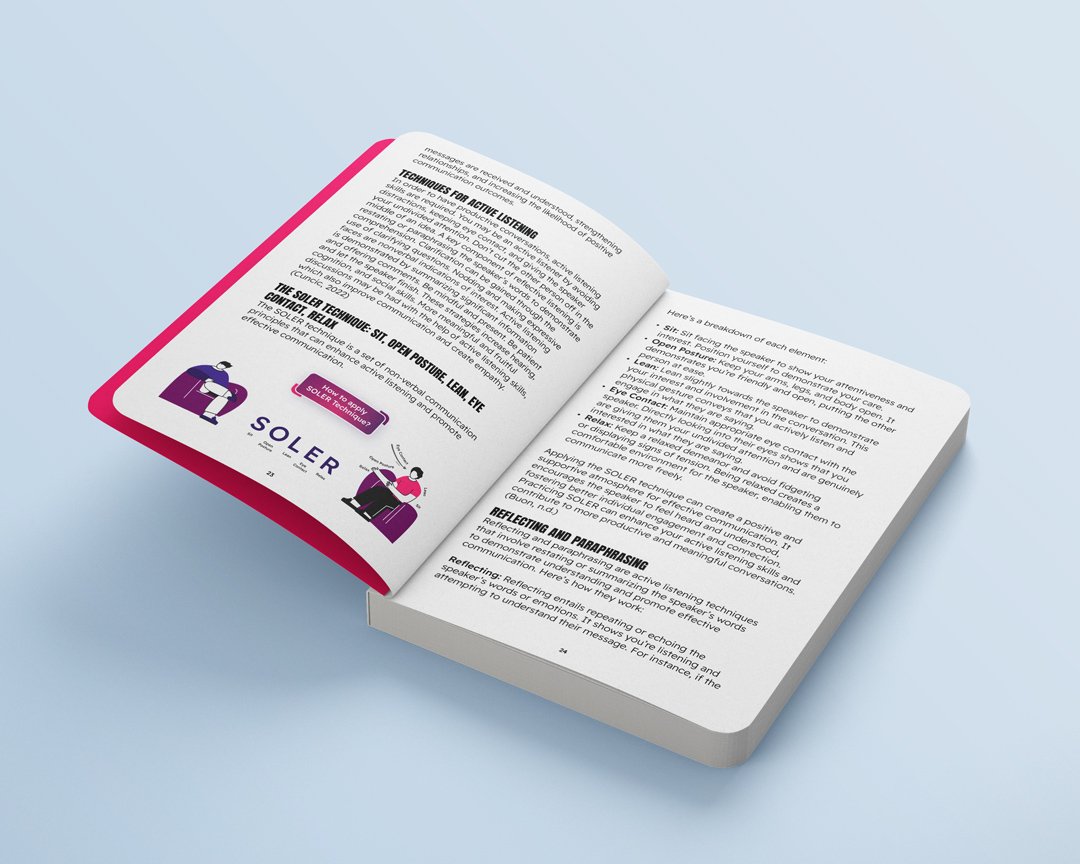
The SOLER Technique: Sit, Open Posture, Lean, Eye Contact, Relax
Reflecting and Paraphrasing
Asking Open-Ended Questions
Providing Feedback
Overcoming Barriers to Active Listening
Emotional Intelligence
Understanding Emotional Intelligence
The Five Components of Emotional Intelligence
Self-Awareness
Identifying Emotions
Recognizing Patterns
Self-Regulation
Managing Emotional Reactions
Techniques for Emotional Self-Control
Motivation
Understanding Intrinsic and Extrinsic Motivation
Role of Emotion in Goal-Setting and Achievement
Empathy
Understanding Others’ Emotions
How Empathy Enhances Relationships
Social Skills
Building and Maintaining Relationships
Navigating Social Dynamics
Benefits of High Emotional Intelligence
Developing Emotional Intelligence
Strategies for Increasing Self-Awareness
Techniques for Improving Self-Regulation
Ways to Enhance Empathy
Building Better Social Skills
Problem-Solving Skills
Role of Problem-Solving in Daily Life
Problem-Solving in the Workplace
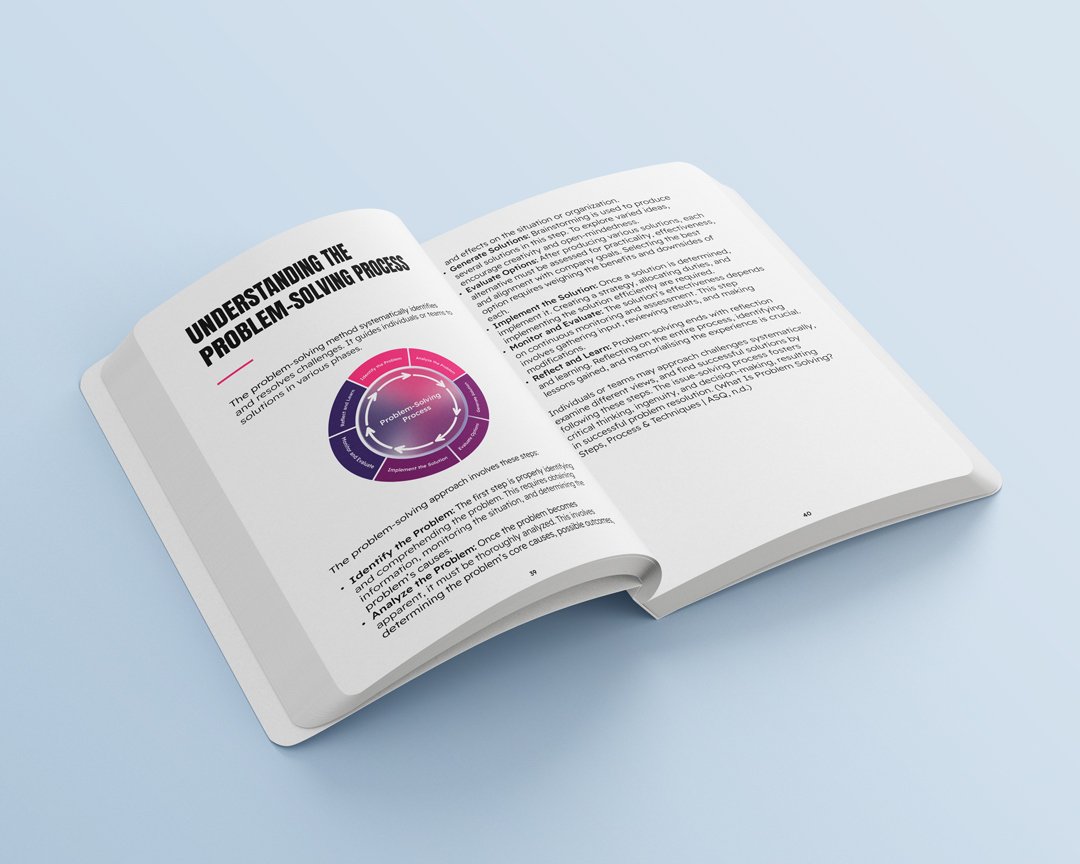
Understanding the Problem-Solving Process
Types of Problem-Solving Skills
Analytical Skills
Creative Thinking Skills
Decision-Making Skills
Critical Thinking Skills
Collaborative Problem-Solving Skills
Problem-Solving Techniques
Brainstorming
SWOT Analysis (Strengths, Weaknesses, Opportunities, Threats)
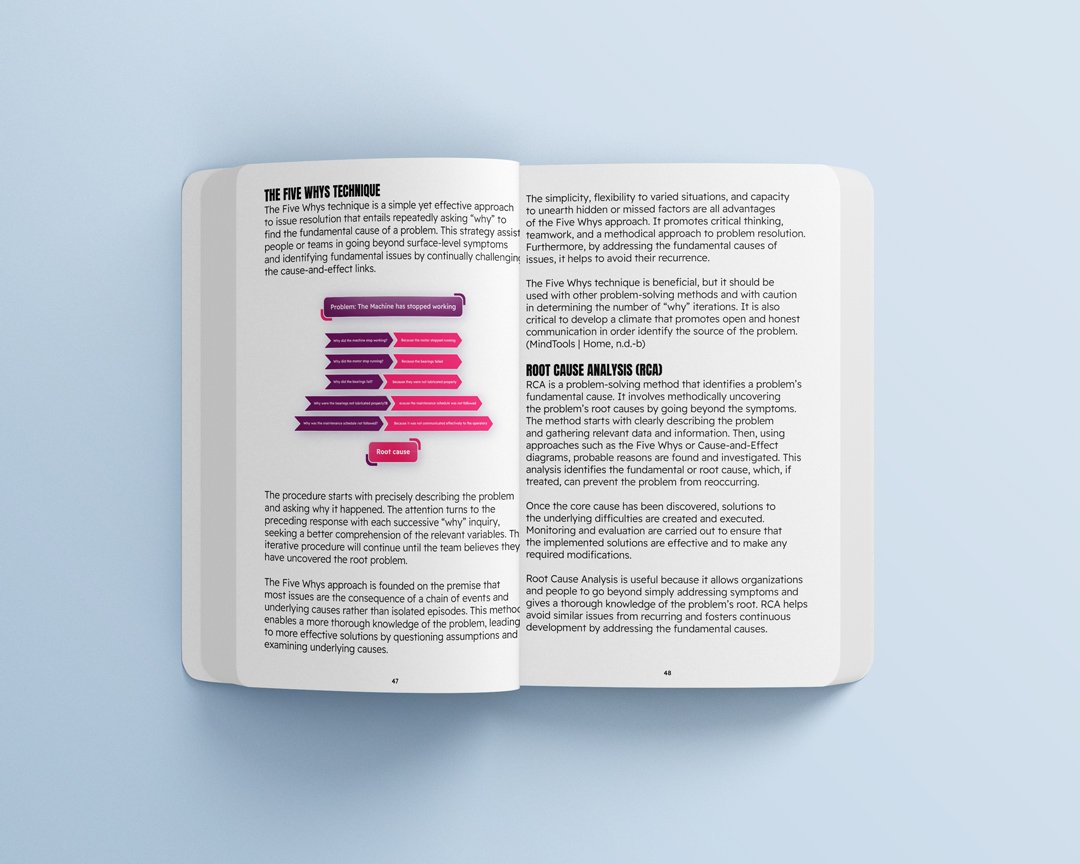
The Five Whys Technique
Root Cause Analysis
Leadership Skills
Communication: The Foundation of Leadership
Emotional Intelligence in Leadership
The Ability to Inspire and Motivate
Decision Making and Problem-Solving Skills
Delegation and Empowerment
Adaptability and Innovation
Team Building and Collaboration
Self-Assessment: Identifying Your Strengths and Weaknesses
The Connection between Soft Skills and Leadership
Leadership Styles
Autocratic Leadership
Democratic Leadership
Transformational Leadership
Transactional Leadership
Servant Leadership
Laissez-faire Leadership
Delegation
Identify the Right Tasks to Delegate
Choose the Right Person
Provide Clear Instructions
Delegate Responsibility and Authority
Set Expectations for Reporting
Ensure Availability of Resources
Use a Delegation Tool or Matrix
Utilize RACI (Responsible, Accountable, Consulted, Informed) Matrix
Monitor Progress, but Don’t Micromanage
Provide Feedback and Reward
Adaptability and Flexibility
Open-Mindedness and Willingness to Change
Resilience in the Face of Challenges
Embracing Diversity and Inclusion
Willingness to Learn New Skills
Balancing Multiple Priorities
Time Management Techniques
The Eisenhower Matrix
Pomodoro Technique
Time Blocking
Getting Things Done (GTD)
The 80/20 Rule (Pareto Principle)
SMART Goals
Batching
The 2-Minute Rule
The Kanban Method
Eat the Frog
Conclusion
Testimonials
98.4%
Exeptional feedback from our readers








Reviews
Clear filtersThere are no reviews yet.